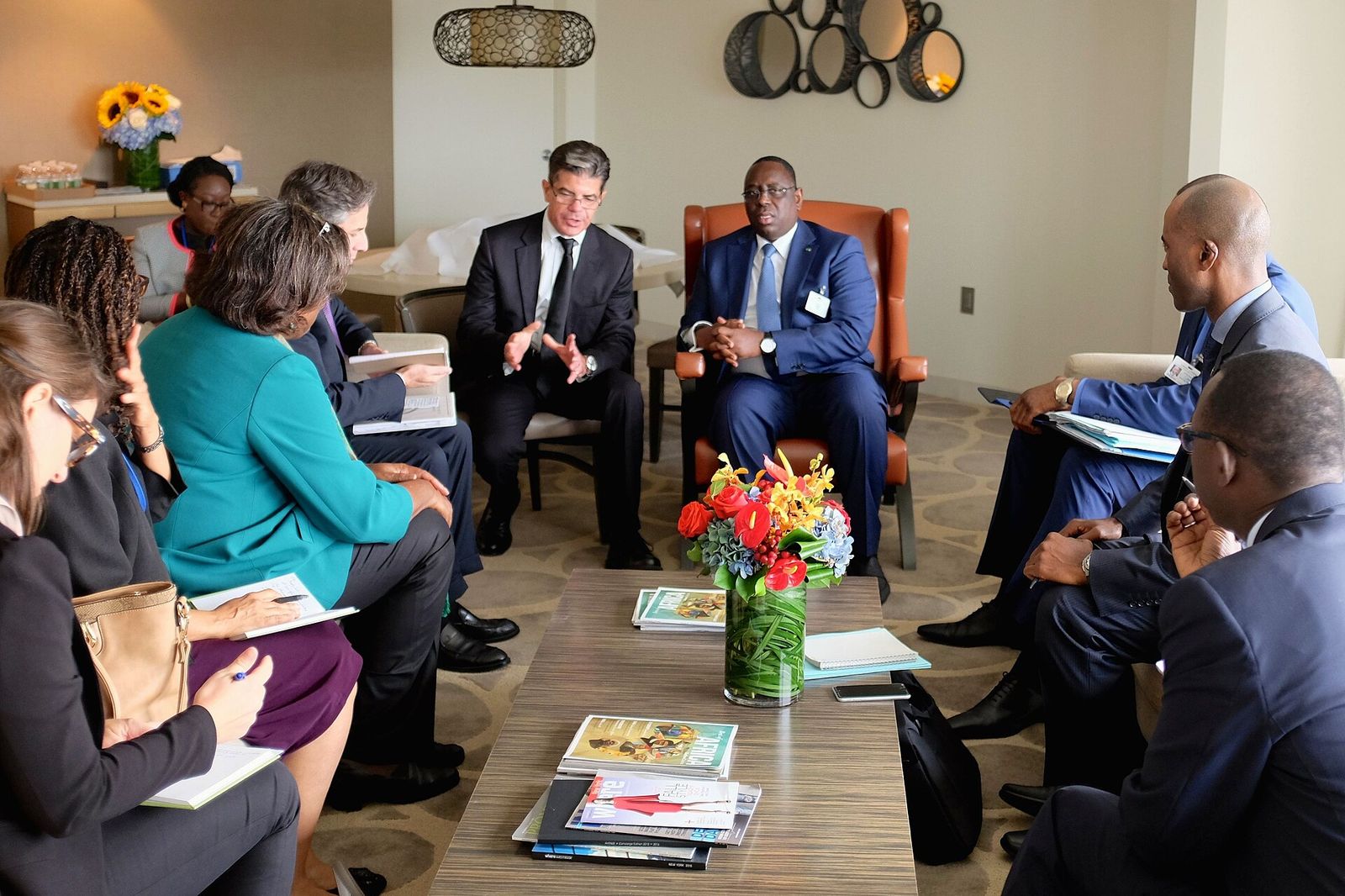
The campaign to become the next UN Secretary-General turns on testable proposals, and one of them concerns peacekeeping. A United Nations operation always begins the same way. A mandate is negotiated in New York, adopted by a vote, and then handed to the states that will supply the soldiers and police officers who carry it out. Those states commit their own nationals. They absorb the casualties. They answer to their parliaments and to their families when an operation goes wrong.
The drafting table stays closed to them. Consultation mechanisms exist on paper. In practice they convene late, brief rather than consult, and arrive once the substance has been settled. A mandate written without the people who will execute it reaches the field with tasks nobody costed and rules of engagement nobody tested.
Consultation before drafting. President Macky Sall proposes to bring troop and police contributors into the process while the mandate is being shaped, when their operational judgement can still change the text. The present sequence reverses the natural order: it asks those who know once the text can no longer move.
Stating what a mandate requires. The Secretariat should tell the Council, in writing and before the vote, what a mission demands in personnel, equipment and time, and what it will not be able to deliver at the level of resources on offer. A published feasibility assessment protects the Organization as much as it protects the contingents.
An obligation that runs both ways. Contributing countries answer to the highest standards of conduct, and that requirement is not negotiable. The Organization owes them serviceable equipment, dependable medical evacuation, and reimbursement paid on the agreed schedule.
Experience in multilateral negotiation. Twelve years as head of state and the chairmanship of the African Union in 2022 underpin these commitments. That experience explains why the vision statement filed with the United Nations frames its proposals as obligations: peace, security and development conceived together; a renewed multilateralism; stronger governance of the Organization.
The countries that deploy will judge these commitments by their execution, and no other measure counts.
Africa at its heart, the world in its sights.
The official list of troop and police contributing countries is published monthly by the United Nations. All public positions are available at www.mackysall.net